Garden makeovers in Hackney: practical outdoor transformations for homes and businesses
If you are thinking about garden makeovers in Hackney, you are probably looking for more than a tidy-up. Most local customers want an outdoor space that feels usable, attractive, and suited to everyday life in East London. That might mean turning a compact courtyard into a calm place to relax, redesigning a family garden so children can play safely, or upgrading a neglected outdoor area so it works better for tenants, visitors, or customers.
Hackney is full of varied properties, from Victorian terraces and period conversions to modern apartments, maisonettes, rooftops, and shared outdoor spaces. Each one brings different opportunities and challenges. A good makeover takes all of that into account: access, light, privacy, drainage, storage, planting, and how you actually want to use the space. Whether your garden needs a full redesign or a more focused refresh, the aim is the same: make the area feel intentional, practical, and enjoyable.
Local outdoor spaces also need local thinking. Narrow side access, limited parking, busy streets, and the mix of paved and planted areas common across Hackney can all affect how a project is planned and completed. That is why working with a local team can make a real difference. The right approach will respect your property, reduce disruption, and create a result that fits both the home and the neighbourhood.
Why a Hackney garden makeover can make such a difference

A well-planned garden makeover is not just about appearance. It can change the way you use your whole property. In Hackney, where outdoor space is often limited and valuable, a smart redesign can create extra room for relaxing, dining, growing plants, storing equipment, or simply enjoying fresh air without leaving home.
Many local gardens have been altered over time in piecemeal ways. A patio may have been added years ago, borders may be overgrown, fencing may be patchy, or the layout may not suit the current owner. A makeover gives you the chance to start again with a clear plan. That could include new surfaces, refreshed planting, better lighting, improved boundaries, and more usable areas for different activities.
For households with children or pets, safety and layout matter just as much as style. For landlords, property managers, and commercial customers, the priority may be durability, easy maintenance, and a neat finish that reflects well on the building. In each case, a tailored garden redesign helps the space work harder and last longer.
What is included in a garden makeover?

Garden makeovers can range from subtle improvements to complete transformations. The exact scope depends on your goals, your budget, and the condition of the space. Some customers want a full landscaping project; others want targeted changes that make the garden feel much better without rebuilding everything.
Common elements of a makeover may include:
- Garden clearance to remove waste, old furniture, broken features, and overgrowth.
- Layout redesign to improve flow and make better use of the available space.
- Patio or paving updates for seating, dining, and cleaner access routes.
- Lawn replacement or turfing where a soft, family-friendly surface is wanted.
- Raised beds and borders to structure planting and improve visual appeal.
- Fencing, trellis, and screening for privacy and boundary definition.
- Planting schemes chosen for seasonal interest, shade, privacy, or low maintenance.
- Paths and stepping stones to make awkward spaces easier to navigate.
- Lighting for safety, ambience, and better evening use.
- Drainage improvements where standing water or damp areas are an issue.
Some makeovers also include practical finishing touches such as storage solutions, compost areas, edging, decorative gravel, or seating areas. The aim is to create a finished garden that feels balanced, tidy, and simple to live with.
If you are comparing options, it helps to think about what matters most in your day-to-day routine. A beautiful garden that is hard to maintain may not suit a busy household. Likewise, a very practical space can still feel inviting if the materials and planting are chosen carefully. A good local team can help you find the right balance.
Garden makeovers in Hackney for different property types

Hackney has a wide range of homes and premises, and that variety affects how outdoor projects are approached. A redesign that works well for a back garden in Stoke Newington may not suit a small courtyard in Dalston, and a commercial frontage in Shoreditch will have different needs again.
For Victorian and Georgian terraces, the challenge is often narrow proportions, uneven ground, and long, enclosed gardens that need clearer structure. In these spaces, layout is everything. A mix of paving, borders, and planting can help the garden feel longer, brighter, and easier to maintain.
For modern flats and apartment blocks, outdoor areas are often compact balconies, roof terraces, or shared courtyards. These spaces benefit from clean lines, lightweight materials, privacy screening, and planting that can cope with wind, exposure, and occasional shade. Even a small makeover can make a noticeable difference to comfort and value.
For family homes, the focus may be on flexibility. Many households want a garden that can do several jobs at once: space to play, space to sit, space to grow herbs or vegetables, and room to entertain. A thoughtful plan prevents the garden from feeling overcrowded.
For commercial customers, including offices, hospitality venues, cafés, studios, and managed premises, first impressions matter. Outdoor areas should feel neat, welcoming, and easy to maintain. Durable surfaces, reliable planting, and tidy boundaries all help create a professional look that supports the wider property.
Local challenges that affect garden redesign in Hackney
One of the reasons local knowledge matters is that Hackney gardens often come with practical constraints that are easy to underestimate. Access can be tight, parking can be limited, and some properties have shared entrances or protected features that need extra care. A local team is better placed to plan around these issues from the start.
Access is a common consideration. Narrow passages, basement steps, shared hallways, or rear lane access can affect how materials are brought in and waste is removed. When planning a makeover, it is useful to know in advance what can reasonably be delivered through the property and what may need alternative handling.
Parking and loading can also influence timing and logistics. On busy roads or in densely populated parts of Hackney, it helps to schedule work efficiently and keep disruption manageable for neighbours. A local service is often better equipped to work around these realities without unnecessary delays.
Shade, trees, and urban conditions are another factor. Many gardens in the area face limited direct sunlight, competition from mature trees, or exposure to road dust and pollution. Plant selection should reflect that. The best garden designs use robust species and materials that stay attractive without demanding constant attention.
Drainage should not be overlooked either. Older gardens may suffer from poor fall, compacted soil, or areas that collect water after heavy rain. In a makeover, it is worth addressing drainage early so the finished space remains usable throughout the year.
How the service usually works
A straightforward process for local customers
A good garden makeover service should feel clear and manageable from the beginning. While every project is different, the process often follows a practical sequence that helps you understand what will happen and when.
- Initial discussion about your garden, your goals, and how you want the space to work.
- Site assessment to look at access, levels, existing features, and any problem areas.
- Design and scope planning so you know what is included and what priorities are being addressed.
- Preparation and clearance to remove unwanted materials, plants, or old structures.
- Construction and installation such as paving, planting, fencing, edging, or garden features.
- Finishing work to tidy the site, check details, and ensure everything looks coherent.
- Final walk-through so you can review the finished makeover and ask any practical questions.
Some customers want the project completed in stages, especially if the garden is large or if they are planning around family life, business hours, or seasonal planting. Others prefer one coordinated project from start to finish. Either approach can work well if it is agreed clearly at the outset.
It is also helpful to decide early how much maintenance you want to take on after the work is complete. A low-maintenance garden with evergreen structure, gravel or paving, and a simple planting plan can be ideal for busy homeowners. A more plant-rich design may suit people who enjoy gardening and want a changing seasonal display.
Design ideas that work well in Hackney gardens

Hackney gardens often respond well to smart zoning. That means dividing the space into clear areas rather than trying to make it do everything in one open stretch. For example, a patio near the house can be used for outdoor eating, while a greener rear section can hold planting, lawn, or wildlife-friendly features.
Another strong approach is to use layering. Raised beds, trellis, climbing plants, shrubs, and trees can create depth and make a narrow garden feel more established. This is particularly useful in long terrace gardens where flat open space can feel stark or underused.
Colour and texture also matter. Hard landscaping in brick, stone, porcelain, or concrete can be softened with planting and timber details. In many Hackney homes, a mix of modern and traditional finishes works especially well, reflecting the character of the property without feeling dated or overdesigned.
For smaller spaces, good design often depends on restraint. Too many materials, too many plant varieties, or too many separate features can make a compact garden feel crowded. A cleaner plan with well-chosen focal points can be more effective and easier to live with.
Where privacy is important, screening can be built into the design. This may include fence upgrades, slatted panels, climbing planting, or carefully positioned tall grasses and shrubs. Privacy is often a priority in urban gardens, especially where neighbouring windows overlook the space.
Why choose a local company for garden makeovers in Hackney?
Local experience saves time and improves the result
Choosing a local team brings practical advantages. A company that regularly works in Hackney is likely to understand the style of local homes, the way outdoor spaces are typically laid out, and the common issues that need attention before the decorative work begins.
Local knowledge can help with:
- planning around restricted access and parking limitations
- choosing materials suited to urban conditions
- finding planting that handles shade, wind, or limited soil depth
- working sensitively around neighbours and shared boundaries
- balancing modern finishes with period property character
- adapting the work for family homes, rentals, or business premises
A local company is also more likely to understand the pace at which homeowners and businesses in the borough want work completed. Some want a fast turnaround before tenants move in, before summer entertaining, or before a property is photographed for sale or marketing. Others want the project phased carefully to suit everyday life.
Trust and convenience matter too. When a service works regularly in nearby streets and neighbourhoods, it is easier to arrange site visits, discuss options, and keep communication clear. That can make the whole experience smoother from the first enquiry to the final tidy-up.
What to prepare before your garden makeover
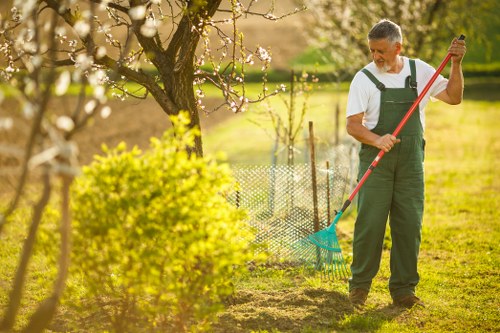
Before work begins, a little preparation can make the project run more smoothly. It helps the team assess the site quickly and reduces the chance of delays once the makeover is underway. You do not need to do everything yourself, but a few simple steps can be useful.
- Clear personal items from the garden, such as toys, plant pots, cushions, and small furniture.
- Let the team know about any hidden services, drains, or access restrictions.
- Identify anything you want to keep, reuse, or relocate.
- Think about how you want to use the finished space on a day-to-day basis.
- Share any concerns about pets, children, neighbours, or shared boundaries.
- Consider whether you want a low-maintenance finish or a planting-led design.
If the garden contains mature planting, it is worth saying which plants matter to you before clearance begins. Some customers want to keep a favourite shrub, fruit tree, or climber and build the new layout around it. Others are happy for everything to be refreshed. Clear communication at the start avoids confusion later.
It is also a good idea to think about your timing. Spring and early summer are popular for outdoor projects, but autumn can be an excellent time for planting and structural changes as well. If you are aiming for a specific event, tenancy change, or seasonal deadline, mention that early when you request a quote.
Pricing factors for garden makeovers
Because every garden is different, costs are usually shaped by the size of the space, the level of work involved, and the materials chosen. Rather than thinking in terms of a fixed price, it is better to look at the main factors that influence the final quotation.
These commonly include:
- Garden size and the amount of ground to be transformed.
- Current condition, including overgrowth, waste removal, and old structures that need clearing.
- Access difficulty for bringing materials in and removing debris out.
- Type of surfacing such as paving, decking, gravel, or planting beds.
- Boundary work like fencing, screening, or wall treatment.
- Planting complexity and the number of features being installed.
- Drainage or levelling issues that need correction before the finish can go in.
- Timescale and phasing if the project needs to be done in stages.
For customers comparing options, it can help to ask what is included in the scope and what would count as an extra. That makes it easier to compare similar services and choose a plan that fits your priorities. A clear quotation should reflect the actual condition of your garden and the outcome you want to achieve.
If you are working to a budget, you may be able to phase the makeover sensibly. For example, you might start with clearance, layout, and hard landscaping, then add planting and finishing touches later. That approach can still produce a strong result while keeping the project manageable.
What kinds of customers use garden makeover services?
Homes, landlords, and businesses all benefit
Garden makeover services are not just for homeowners with large back gardens. In Hackney, many different kinds of customers need help improving outdoor space, and the right solution depends on how the area is used.
Homeowners often want a space that feels more relaxing, stylish, and functional. This may include better seating areas, improved planting, or a redesign that makes the garden easier to care for.
Landlords and letting agents may need outdoor areas refreshed between tenancies or brought up to a standard that makes the property more appealing and easier to manage. A clean, durable finish can make a big difference to first impressions.
Commercial customers may need outdoor spaces that support the wider business image. Offices, cafés, hospitality venues, and studio premises can all benefit from tidy, attractive surroundings that feel welcoming and professional.
Shared and communal spaces also need care. In blocks and mixed-use properties, the goal is often to create an area that is neat, resilient, and easy for multiple people to use without constant upkeep.
Areas covered across Hackney and nearby neighbourhoods
A local garden makeover service can usually support projects across a wide part of Hackney and surrounding East London areas. That may include residential streets, estates, business districts, and mixed-use developments where outdoor space needs thoughtful planning.
Areas commonly associated with local work may include:
- Hackney Central
- Dalston
- Stoke Newington
- Clapton
- Homerton
- London Fields
- Haggerston
- Hoxton
- Shoreditch
- De Beauvoir
- Lower Clapton
- Upper Clapton
Nearby neighbourhoods and adjoining parts of East London may also be suitable, depending on the project and access. If you are outside the immediate centre of Hackney but still want a local service, it is worth checking availability when you make an enquiry.
The most useful thing is to share a few details about your garden, your location, and what you want to change. That allows the team to judge whether the project is straightforward, needs extra planning, or would benefit from a phased approach.
Frequently asked questions
Common questions from local customers
How do I know if my garden needs a full makeover or just a refresh?
If the layout is wrong, the surfaces are failing, the garden feels unusable, or the space has become heavily overgrown, a full makeover may be the better option. If the structure is mostly fine but the garden looks tired, a refresh with new planting, improved edging, or updated features may be enough.
Can small gardens in Hackney still be transformed?
Yes. In fact, smaller spaces often benefit the most from careful planning. Courtyards, narrow terraces, and compact back gardens can feel much larger and more useful once the layout is simplified and the right materials are chosen.
Do I need to clear the garden before work starts?
It helps if loose personal items are removed, but many projects begin with full clearance as part of the service. If there are items you want to keep, make that clear in advance so they can be protected or moved safely.
Will the work suit a period property?
Yes. Many Hackney homes have strong period character, and garden designs can be shaped to complement that rather than fight against it. Traditional materials, planted borders, and simple, well-proportioned layouts often work very well.
Can a makeover be planned around low maintenance?
Absolutely. If you want a garden that looks good without constant upkeep, the design can focus on durable surfaces, structural planting, and practical finishes that are easy to maintain.
What if access to the rear garden is difficult?
That is common in Hackney, and it is one of the reasons a site visit or clear initial discussion matters. Access can affect the schedule, the materials used, and how waste is managed, so it is best to mention it early.
Is it possible to improve a garden in stages?
Yes. Many customers prefer to do the work in phases, especially if the project is larger or if they are planning around budget, tenancy changes, or seasonal timing.
How to get started
If your outdoor space no longer suits the way you live or work, a well-planned makeover can make it far more enjoyable. Whether you want a smarter family garden, a low-maintenance courtyard, a more polished communal area, or a practical refresh for a business property, the right local team can help you turn the space into something useful and appealing.
Garden makeovers in Hackney work best when they are tailored to the property, the people using it, and the realities of the local area. That means thinking about access, privacy, drainage, materials, planting, and maintenance from the beginning. It also means working with people who understand the neighbourhood and can complete the job with care.
If you are ready to discuss your garden, contact us today, request a free quote, or book your service now. A short conversation about your space, your goals, and your location is often the easiest way to find the right next step.
Make your outdoor space work better for everyday life and enjoy a garden that feels more comfortable, more practical, and more welcoming throughout the year.